Addition Wheel 10: A Bright and Playful Embroidery Design for Kids’ Projects
As an experienced embroidery designer who regularly evaluates machine embroidery designs for real-world use, I recently had the chance to work with Addition Wheel 10. This design is part of a collection aimed at encouraging children to practice math through fun visuals. Let’s dive into what makes it a strong candidate for school-themed projects and where you might want to use it carefully.
First Impressions and Visual Personality
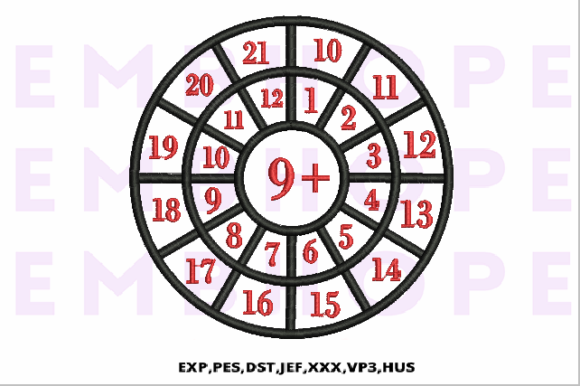
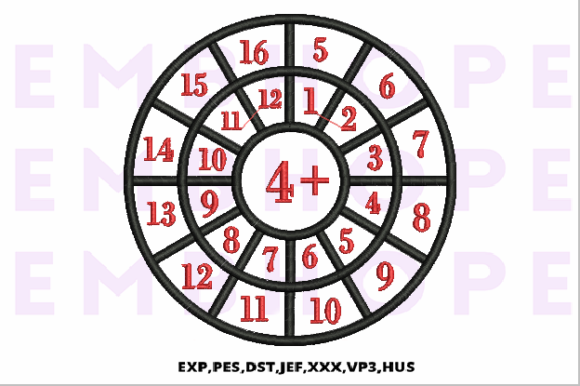
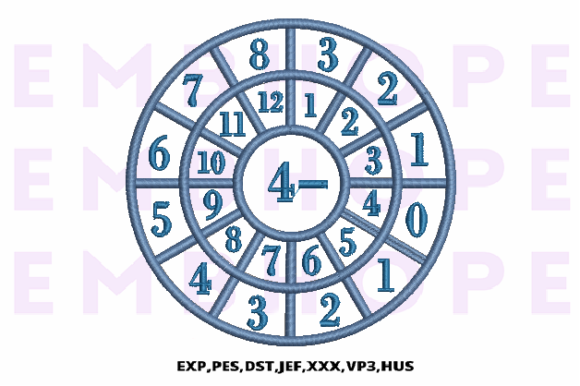
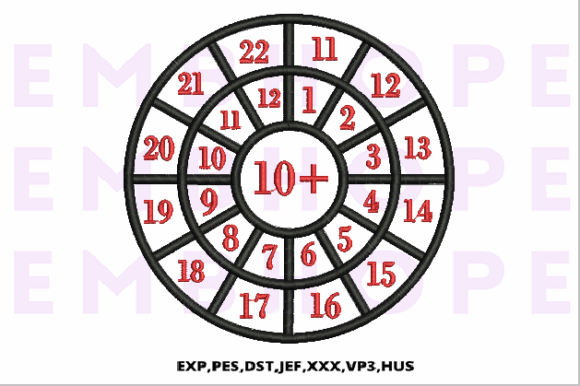
The Addition Wheel 10 immediately stands out as a cheerful and educational design. Its circular format, filled with colorful numbers and simple equations, creates a playful yet purposeful mood. The layout is balanced, with each number evenly spaced around the wheel, making it easy to follow visually. The use of multiple thread colors adds dimension and helps distinguish between elements like the outer ring and inner calculations.
This design feels like it was made for environments that prioritize learning and creativity—think classrooms, nurseries, or kids' activity bags. It’s not overly complex, but it has enough visual interest to catch attention without overwhelming the eye. As a designer, I can see how it could be adapted for various products, from soft goods like sweatshirts and tote bags to embroidered patches and decorative accents on classroom supplies.
Real-Life Use in Custom Projects
I tested this design on a few common custom embroidery projects to gauge its performance:
- Tote bag design: On a medium-weight cotton canvas, the Addition Wheel stitched cleanly and looked great from both near and far distances. The color contrast was vibrant, and the design didn’t feel cluttered despite its many components.
- Sweatshirt embroidery: When placed on a front pocket of a fleece hoodie, the stitch density held up well. The fill stitches were tight and even, which is important for durability in garments that get frequent wear.
- Baby clothes: For a onesie, I reduced the size slightly. The simplified look still worked beautifully and added a subtle touch of education to the garment without being too busy.
- Embroidered patch: Using a light stabilizer behind the fabric, the result was neat and professional. The small details in the design translated well into a compact patch format.
In all these cases, the design maintained its charm and clarity. It's versatile enough for casual items like aprons and more formal pieces like classroom uniforms or teacher appreciation gifts. The bright thread colors give it a lively appeal, perfect for engaging young minds and adding a pop of personality to any project.
Where to Use with Care
While the Addition Wheel 10 is a solid choice for many projects, there are certain scenarios where you’ll need to adjust your approach:
- Small hoop sizes: The design includes several elements arranged around the circle. If you're working with a hoop smaller than 4x4 inches, consider resizing or simplifying the layout to ensure all parts remain visible and legible after stitching.
- Textured fabrics: Because of the fine lines and small numbers, textured materials like denim or flannel may cause some stitch distortion. Test on scrap first and consider using a washable stabilizer if needed.
- Thin or stretchy fabric: Stretchy knits or lightweight linens may not hold the structure of the design well. Look for stable, non-stretch materials to keep the shape intact.
- Dark backgrounds: While the thread colors are bright, they won’t pop as effectively on dark fabrics. Be sure to check the thread color contrast before finalizing your placement.
- Curved surfaces: Placing the design on a cap or curved surface may require some manual adjustments to maintain symmetry. A flat area is ideal unless you’re prepared to tweak the design digitally for curvature.
- Frequent washing: Since this is likely to be used on kids' clothing or school items, make sure the stitch quality is high and the tension is set properly to avoid fraying over time.
Design Impact on Product Value and Customer Appeal
One of the biggest strengths of the Addition Wheel 10 is its ability to add educational value while maintaining aesthetic appeal. In the world of handmade products and personalized gifts, this kind of dual-purpose design can really elevate the perceived worth of your finished product.
For Etsy sellers and crafters in a school supply niche, this design offers a unique selling point. It’s not just another cartoon character or lettering style—it’s a functional piece of art that supports learning. That kind of thoughtful design can increase buyer engagement and customer trust, especially when targeting parents or educators.
If you're creating holiday gifts or nursery decor, the Addition Wheel works well as a subtle yet meaningful motif. It can be paired with other educational or whimsical elements to create cohesive collections that speak to your brand identity.
Professional Insights for Embroidery Designers
Here are a few key notes for anyone planning to use Addition Wheel 10 in their embroidery projects:
- Test on scrap fabric first: Especially if you're adjusting the size or using it on an unusual material, always do a trial run.
- Review stitch density: The center of the wheel uses a lot of fill stitches. Depending on your machine and fabric, you may need to adjust the density for optimal results.
- Confirm hoop size: Although the exact dimensions aren’t provided, the design benefits from a moderate-sized hoop. Too small, and the details may get lost; too large, and it could appear sparse.
- Inspect small details: The tiny numbers and mathematical symbols are charming, but they also require precision. Make sure your machine handles them well, especially if you're embroidering on delicate or stretchy materials.
- Use proper stabilizer: For lighter or stretchier fabrics, a tear-away or cut-away stabilizer will help prevent puckering and distortion.
- Check licensing terms: Before selling finished items or digital embroidery files, confirm whether the design allows commercial use. This is critical for craft business owners and digital product sellers.
Mockup and Digital Preview Tips
When showcasing this design in your Etsy listings or printable mockups, test it in black and white as well as on different fabric backgrounds. You'll quickly notice how thread color choices impact visibility and overall appeal. Also, consider how it fits within the context of your small shop product lineup—does it match your current branding? Can it be styled consistently across multiple items?
Because of its structured layout, the Addition Wheel is a good candidate for design assets in kits or bundles. Pair it with related math themes or alphabet wheels for a cohesive set that appeals to teachers, homeschoolers, or gift givers looking for something special.
Final Thoughts for Creative Entrepreneurs
The Addition Wheel 10 is a standout in the realm of educational embroidery. It combines functionality with visual charm, making it suitable for a wide range of embroidery projects. Whether you're running a craft business or creating personalized gifts, this design brings a sense of playfulness and purpose to your creations.
Its potential applications are broad—from sweatshirt embroidery and tote bag designs to custom apparel and commercial embroidery for schools. Just remember to take practical steps like checking thread color contrast, testing on fabric, and confirming licensing so you can confidently sell or share your finished products.
Overall, the Addition Wheel 10 is a smart addition to any designer’s repertoire. It’s not just about looking good—it’s about creating something that inspires learning and delights users. With the right care and consideration, it can become a valuable asset in your handmade product line or embroidery file collection.