★★★★☆4.8(106 reviews)
Addition Wheel 6 Embroidery Design Review for Craft Fairs
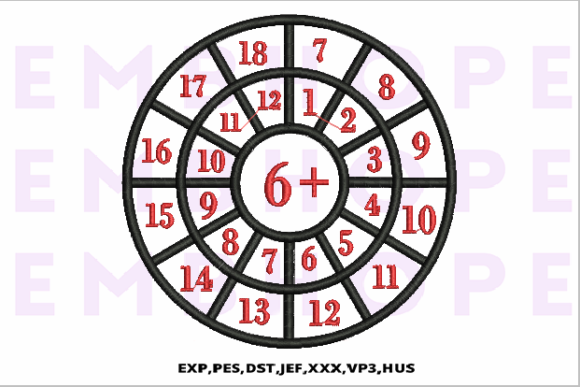
What Products Work Best with Addition Wheel 6
- Tote Bags: This design shines on cotton canvas tote bags. Its boldness ensures it catches the eye from across the room, especially when placed centrally. Use light-colored fabrics to highlight the color palette.
- Aprons: A large-scale version of Addition Wheel 6 on a child’s apron adds charm and practicality. Parents love functional designs that spark creativity during meal prep or baking time.
- Tea Towels: The design looks clean and cheerful on linen or cotton tea towels. It brings a playful twist to kitchen decor and is ideal for those who want to combine function with education.
- Embroidered Patches: Smaller versions work well as patches for backpacks, jackets, or even lunchboxes. They offer a subtle yet meaningful way to incorporate math learning into everyday items.
- Fabric Pouches: On small pouches or pencil cases, the design acts as a perfect accent. Its size and detail level need to be adjusted carefully to maintain legibility and impact.
- Pillow Covers: For nursery or classroom spaces, pillow covers with Addition Wheel 6 add a decorative touch. Pairing it with soft pastel or neutral tones enhances its cheerful vibe without overpowering the space.
- Market Bags: These are excellent for showcasing larger versions of the design. They’re sturdy, reusable, and perfect for attracting attention at a booth due to their visibility and utility.
- Handmade Gifts: As part of a gift set (like a personalized lunchbox and pencil case), Addition Wheel 6 becomes more than a design—it tells a story of care and learning.
- Booth Samples: The design is highly effective on sample displays. A stitched tote bag or apron will draw customers in and help them visualize its use in their own homes or classrooms.
- Printable Mockups: High-quality mockups of Addition Wheel 6 on various products look professional online. They help Etsy sellers and digital crafters showcase the design effectively before production.
- Commercial Embroidery: While primarily aimed at personal or small shop use, Addition Wheel 6 could be used for commercial orders if licensing terms are confirmed. Its adaptability makes it suitable for batch production in smaller quantities.
Production Practicalities
- Test on Scrap Fabric: Always test the design on scrap fabric first to check stitch density and thread colors. This helps identify any issues with coverage or visibility before stitching final products.
- Check Thread Contrast: Make sure the design stands out against the chosen fabric background. Lighter threads may fade on darker materials, so consider adjusting thread colors accordingly.
- Review Spacing and Hoop Size: If the design includes multiple wheels or elements, confirm that each piece fits within the recommended hoop size and spacing. This prevents misalignment and saves time during bulk stitching.
- Inspect Stitch Density: Look for dense stitch areas that might require additional stabilizer. Using the right stabilizer ensures the design doesn’t pucker or distort, especially on stretchy or thin fabrics.
- Create Real Mockups: Before listing the design as a finished product, create a few real-life samples. Seeing how it looks embroidered in person gives a better sense of its quality and helps improve customer confidence.
- Compare Fabric Colors: The same design can look drastically different on red versus white fabric. Take note of how it appears on various backgrounds to guide your product offerings.
- Confirm Commercial Licensing: If planning to sell the finished product commercially, always verify the license terms of the digital embroidery file. This protects your business and ensures compliance with design usage rules.
Careful-Use Notes for Optimal Results
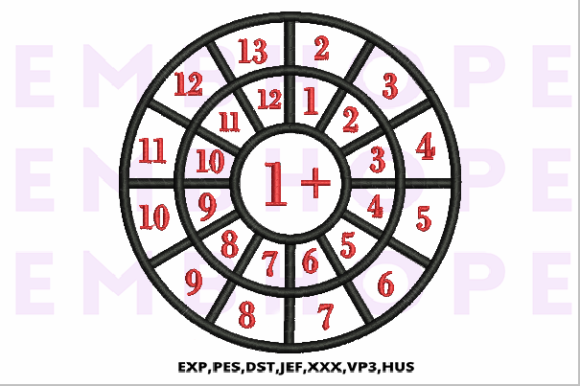
- Dense Stitch Areas: Certain parts of the wheel may require extra stabilizer to avoid puckering or stretching during embroidery.
- Tiny Details: The numbers and lines in the wheel can become less defined when scaled too small. Ensure they remain legible for the target audience, especially since the design is intended for young learners.
- Small Lettering: If the design includes text, double-check whether the font size remains readable after stitching. Consider enlarging letters slightly for better visibility.
- Thick or Textured Fabrics: Embroidering on canvas or heavy-duty denim can challenge the design’s integrity. Test thoroughly and consider using a tear-away or cut-away stabilizer for these materials.
- Curved Surfaces: If embroidering on curved caps or round containers, ensure the design is properly shaped to fit the curve. Adjustments may be needed to preserve clarity and symmetry.
- Dark Fabric: The design loses contrast on dark backgrounds. Either choose a lighter fabric or switch to a white thread option for visibility.
- Smaller Sizes: While scalable, the design may lose its charm or readability when shrunk too much. Maintain a minimum size to ensure all elements are still visible and impactful.
⬇️ Download Free
Free download · No sign-up required
🔗 You Might Also Like
School
First Impressions of Addition Wheel 3 The moment I saw the title and description...
School
As an embroidery designer who regularly sources digital embroidery files for bot...
School
Best Suited For: Educational and Kid-Friendly Products Embroidered Tote Bags: A ...
School
First Impressions of Addition Wheels 1 As an experienced embroidery designer, I ...
School
First Impressions: A Charming and Timeless Embroidery Font As an experienced emb...
