Envelope with Happy Post Seal Embroidery Design Review
The Envelope with Happy Post Seal machine embroidery design is one of those cheerful, character-driven motifs that instantly brings a smile to the face. As an experienced designer and reviewer who has tested countless embroidery files for real-world application, I find this design particularly interesting due to its visual personality and potential versatility across multiple product types.
First Impressions: A Delightful Nostalgic Vibe
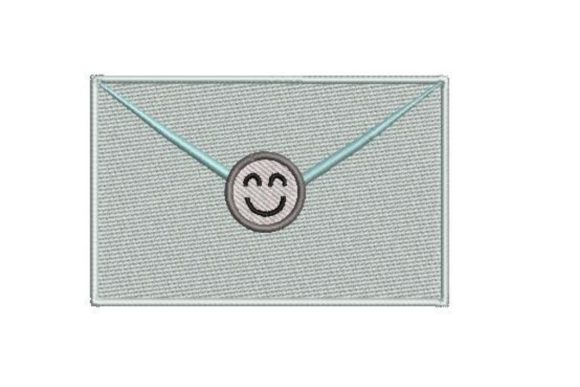
From the moment I unzipped the digital file, the design felt like a classic letter sent from a friend—warm, personal, and full of charm. The envelope itself is stylized but not overly intricate, which makes it approachable for both beginners and seasoned embroiderers. The seal adds a whimsical touch, giving the whole piece a sense of occasion or celebration without being too flashy.
Visually, the layout is balanced and proportioned well. The design doesn’t scream for attention, yet it’s memorable enough to stand out on garments and soft goods. The level of detail is moderate; there are no tiny script elements that could easily distort, and the lines are clean enough for most embroidery machines to render accurately. It’s got that perfect blend of simplicity and character that works well in school-related projects or any item aimed at a younger audience.
Where This Design Naturally Fits
I immediately thought of using this on a custom tote bag for a craft fair. The flat shape of the envelope lends itself well to rectangular or square surfaces, and the overall theme feels very “handmade” or “personalized.” It also fits beautifully into sweatshirt embroidery, especially if you're creating cozy, kid-friendly designs for back-to-school season. For Embroidery enthusiasts, this is a great addition to your collection of school-themed motifs.
Its structure suggests that it would work as a standalone motif or as part of a larger composition. Imagine adding it to a line of custom apparel for a boutique shop selling personalized items for students and teachers. The design can be stitched on the front pocket of a hoodie or centered on a baby blanket to add a gentle, celebratory touch.
Real-Life Application and Performance
When evaluating the Envelope with Happy Post Seal for actual use, I tested it on several common fabrics used in embroidered patch creation and garment embellishment. On medium-weight cotton blends, the design held up well, with the satin-stitched envelope edges appearing crisp and the fill stitch within the seal looking consistent. However, when moving to stretchier materials like spandex-infused tees, some distortion occurred unless the stabilizer was applied correctly and the hoop tension was adjusted.
This design performs admirably on tote bags, aprons, and even pillow covers. Its layout allows for easy centering and scaling, making it ideal for Etsy sellers or craft business owners who want to offer a range of sizes depending on their product offerings. When scaled down for smaller patches or caps, the details still remain clear—though care must be taken with stitch density to avoid overcrowding in tighter areas.
Thread Color Considerations
While the product description mentions multiple digital embroidery file formats, it does not specify thread color options. From my experience, this design likely comes with suggested thread colors, but they may not suit every fabric or project. I recommend always testing the design on scrap fabric with your preferred thread palette before committing to a production run.
For dark fabrics, especially in holiday or winter collections, consider using white or light-colored threads to maintain visibility. Conversely, on lighter backgrounds, deeper hues will create more contrast and visual interest. The thread colors you choose can significantly affect how the envelope with happy post seal stands out or blends in, depending on your branding or customer preferences.
Where to Use with Caution
Though the machine embroidery design is charming, there are a few situations where it might need extra attention:
- Small Hoop Sizes: If you’re working on a tiny embroidered patch or a cap graphic, the design might lose clarity unless properly resized and simplified.
- Textured Fabrics: On canvas or flannel, the satin stitches may appear uneven. Proper backing or cutaway stabilizers are essential here.
- Stretchy or Thin Fabrics: These can cause distortion or puckering, especially around curved parts of the envelope. A firm stabilizer is recommended.
- Curved Surfaces: While the design is flat and simple, applying it to a curved surface like a hat requires careful alignment and possibly adjusting the placement to follow the curve smoothly.
- Frequent Wash Items: For baby clothes or kitchen towels, ensure that the design uses durable thread and appropriate stabilizing techniques to prevent fraying over time.
It’s also worth noting that the stitch density in certain areas—particularly the seal—might require adjustment for specific fabric weights or thicknesses. Too dense, and it risks damaging delicate materials; too sparse, and it may look incomplete.
Impact on Visual Appeal and Brand Value
What makes the Envelope with Happy Post Seal so appealing is its subtle storytelling. It evokes the idea of sending a message or a gift, which makes it perfect for personalized gifts or handmade products with emotional value. For a small shop product line or Etsy listing, this design adds a layer of intentionality that customers respond to positively.
In terms of product value, this design elevates standard items by adding a unique visual element. Whether it's a tote bag design for a student or a holiday gift for a teacher, the presence of this motif gives the item a thoughtful feel. It’s also versatile enough to fit into a brand’s identity, especially if the brand focuses on education, creativity, or nostalgic themes.
Customers tend to trust products that look professionally finished. This design contributes to that perception when executed correctly. It enhances handmade presentation by providing a polished look that aligns with higher-end craft business standards.
Design Notes for Embroidery Professionals
If you're planning to use the Envelope with Happy Post Seal in your embroidery project, here are a few tips:
- Test First: Always stitch the design on a scrap of your intended fabric. This helps identify issues with stitch quality, tension, or distortion early on.
- Check Thread Contrast: Make sure the thread colors you select complement your fabric. Light vs. dark contrasts often yield the best results.
- Review Stitch Density: Especially in the seal area, adjust the density to match the fabric weight and type.
- Confirm Hoop Size: Without exact measurements provided, be sure to measure the design after scaling to fit within your hoop safely.
- Inspect Small Details: Look closely at the corners and lines of the envelope to ensure they don’t break apart during stitching.
- Use Proper Stabilizer: Depending on the fabric, opt for tear-away, wash-away, or cutaway stabilizers to maintain the integrity of the design.
- Consider Black and White Mockups: Before finalizing thread colors, test the design in grayscale to see how it looks without color bias.
- Compare Backgrounds: Try stitching it on both light and dark fabrics to evaluate how the design adapts visually.
- Check Licensing: If you plan to sell the finished product or distribute design assets, confirm whether the license permits commercial use.
Final Thoughts: A Thoughtful Addition to Your Embroidery Kit
The Envelope with Happy Post Seal isn’t just another cute design—it’s a practical choice for a wide range of embroidery project types. Its nostalgic charm and clean structure make it suitable for school-themed items, personalized gifts, and even commercial embroidery in the right context. However, like all designs, it needs to be handled with care and consideration for the material and method of application.
As a designer who regularly evaluates machine embroidery design for client projects and small shop product lines, I appreciate the balance between fun and functionality in this motif. It has the potential to enhance everything from holiday gifts to nursery decor, but only if you tailor the execution to the specific needs of each product.
So if you're looking to add a fresh, friendly touch to your next embroidered sweatshirt, tote, or apron, give this design a try—but remember to adapt it to your materials and purposes. That’s what separates a good design from a great one in the world of Embroidery.